Singapore Urban Renewal Guide 2026 | Smart City Development
Singapore has never been a city that stands still. Land is limited, the population evolves, and the economy keeps changing. That’s exactly why Singapore Urban Renewal has become one of the country’s biggest success stories. Instead of simply replacing old buildings with new ones, urban renewal is about creating neighborhoods that are greener, smarter, and far more livable.
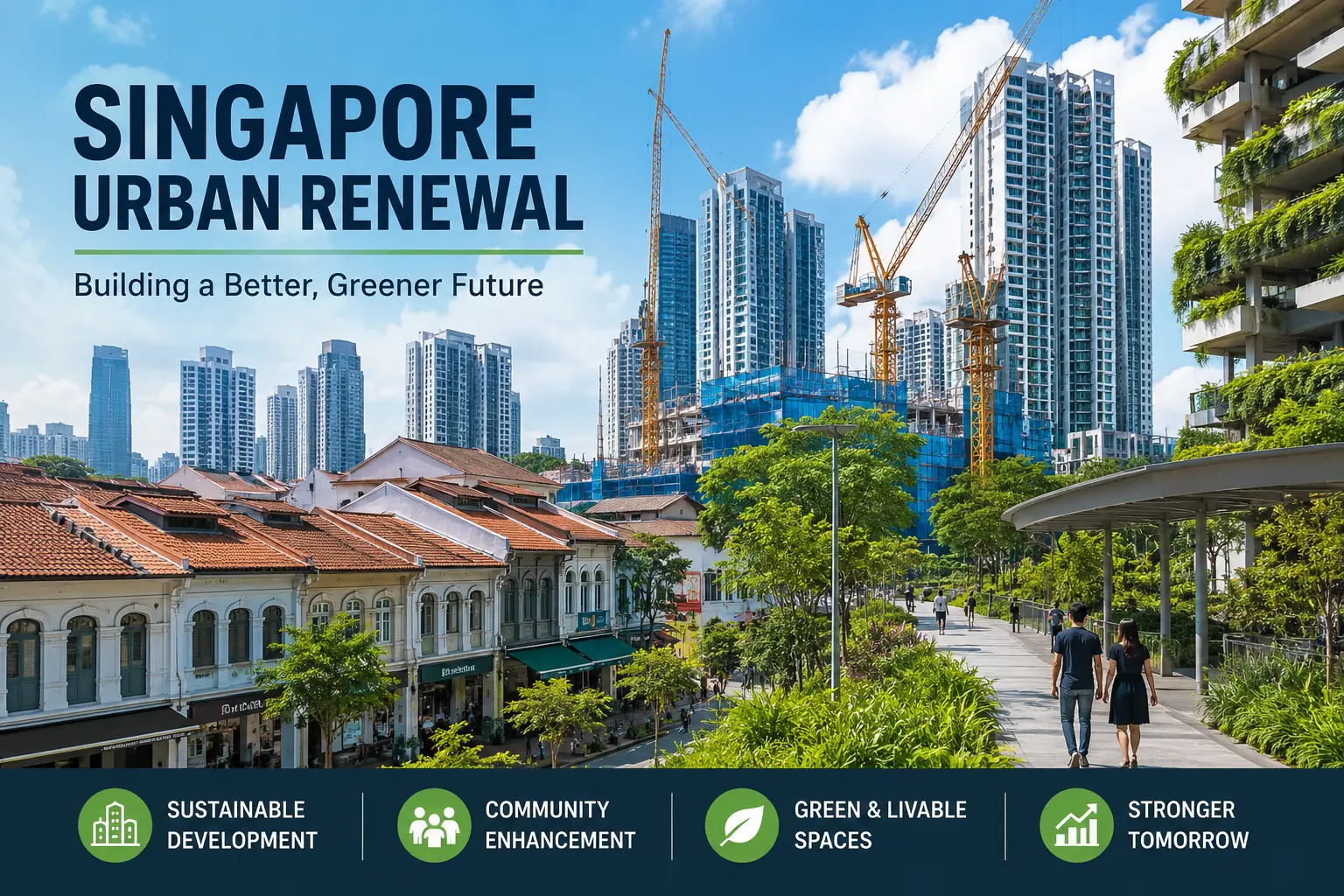
Walk through different districts today and you’ll notice it immediately. Historic shophouses sit beside modern skyscrapers. Parks connect residential towns. Cycling paths stretch farther every year. It all feels intentional… because it is.
Whether you’re a homeowner, investor, business owner, or simply curious about Singapore’s future, understanding urban renewal helps explain why the city consistently ranks among the world’s most desirable places to live.
Let’s explore the biggest ways Singapore continues reinventing itself.
1. Old Neighborhoods Receive a New Life
Urban renewal isn’t about erasing history.
Instead, Singapore carefully upgrades aging estates while preserving their unique character. Older residential towns receive improved infrastructure, refreshed public spaces, better transport connections, and upgraded community facilities.
Residents benefit without losing the identity they’ve grown attached to over decades.
This balanced approach keeps communities vibrant while ensuring homes remain functional for modern lifestyles.
2. More Green Spaces Are Appearing Everywhere
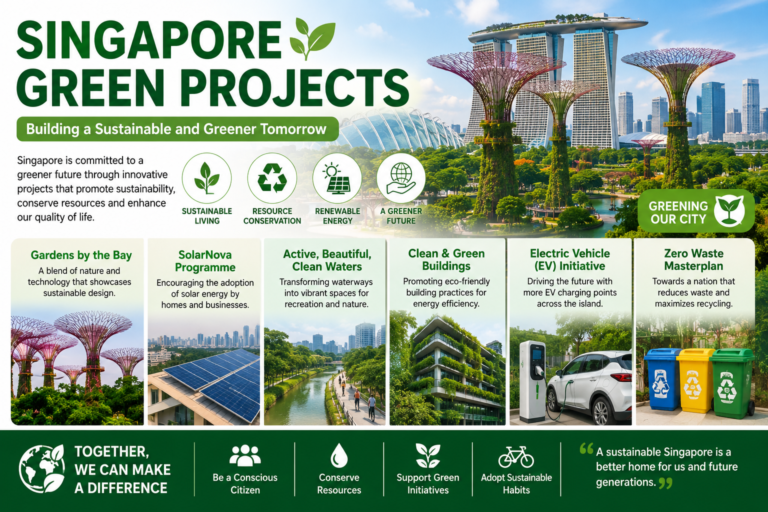
One of the most noticeable parts of Singapore Urban Renewal is the growing amount of greenery.
Today’s developments include:
- Community parks
- Green roofs
- Vertical gardens
- Nature corridors
- Park connectors
- Urban forests
Instead of treating nature as decoration, planners integrate it into daily life.
And honestly… it works.
Walking through many neighborhoods today feels cooler, quieter, and far more relaxing than it did years ago.
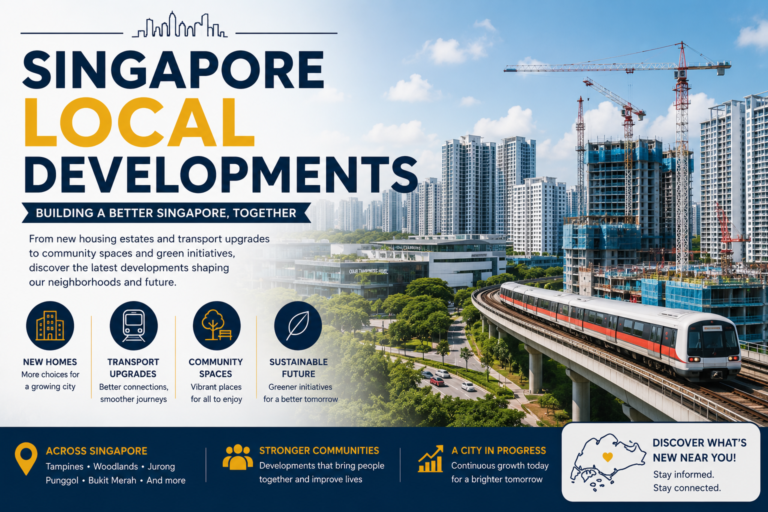
3. Better Public Transport Supports Growing Communities
Transportation remains central to urban renewal.
As neighborhoods evolve, transport networks expand alongside them.
Major improvements include:
- MRT extensions
- New bus routes
- Barrier-free stations
- Dedicated cycling lanes
- Pedestrian-friendly streets
Reduced travel time improves quality of life while making businesses more accessible.
That’s a win for almost everyone.
4. Historic Districts Are Carefully Preserved
Modernization doesn’t mean destroying heritage.
Singapore has invested heavily in preserving historic districts while allowing them to remain economically active.
Conserved buildings now house:
- Cafés
- Boutique hotels
- Creative studios
- Restaurants
- Retail stores
- Cultural attractions
This blend of old and new creates neighborhoods with genuine personality rather than generic city blocks.
Visitors appreciate it.
Residents do too.
5. Smart Technology Makes Cities More Efficient
Urban renewal today involves much more than construction.
Technology now plays a major role in city planning.
Examples include:
- Smart traffic management
- Energy-efficient buildings
- Digital public services
- Intelligent street lighting
- Environmental monitoring
- Waste management systems
These innovations help reduce energy consumption while improving everyday convenience.
Many residents may not even notice these systems working behind the scenes—but they’re constantly making city life smoother.
6. Sustainability Is Built into Every Major Project
Sustainability isn’t an afterthought.
It’s part of the planning process from day one.
Modern developments increasingly feature:
- Solar energy
- Water recycling
- Energy-efficient construction
- Eco-friendly materials
- Green building certifications
- Climate-resilient infrastructure
Singapore’s long-term planning recognizes that future cities must balance economic growth with environmental responsibility.
That philosophy shapes nearly every major redevelopment project today.
7. Mixed-Use Developments Create Complete Communities
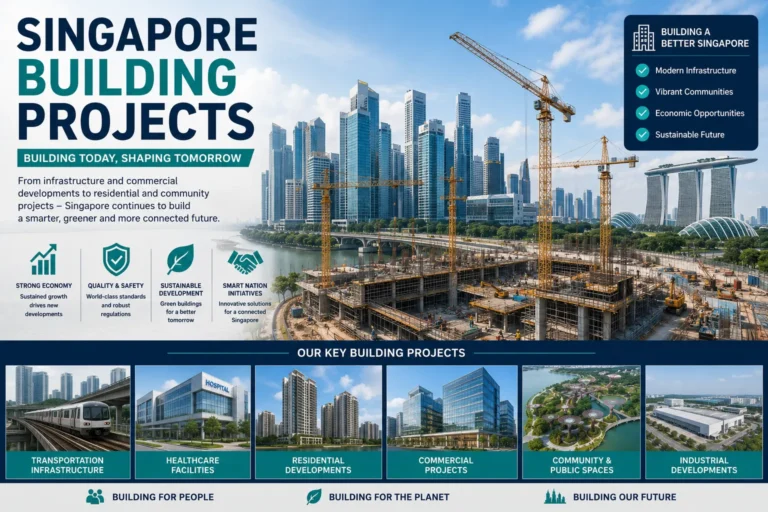
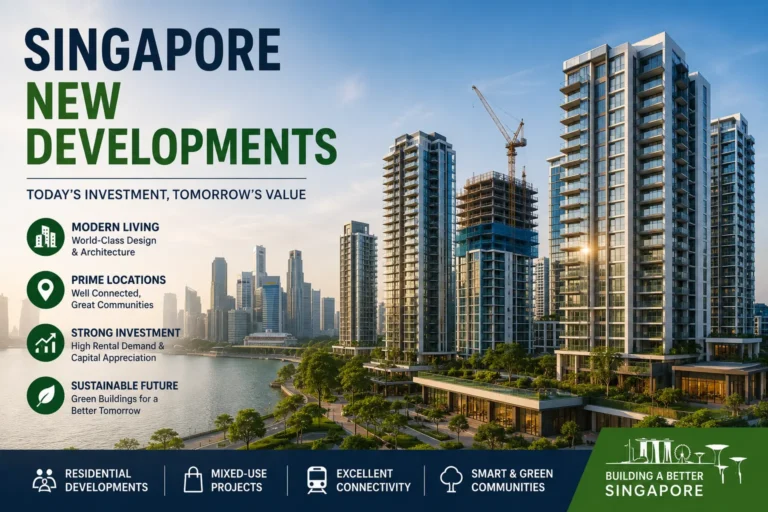
One of the biggest shifts in Singapore Urban Renewal is the popularity of mixed-use developments.
Instead of separating homes, offices, shopping, and entertainment, planners increasingly combine them.
Residents can often:
- Live
- Work
- Shop
- Exercise
- Dine
- Relax
…all within the same district.
Less commuting means more personal time.
And that’s becoming increasingly valuable.
8. Community Spaces Encourage Social Connections
Urban renewal isn’t only about buildings.
It’s about people.
Modern neighborhoods include thoughtfully designed public spaces where residents naturally gather.
Common features include:
- Community plazas
- Libraries
- Sports facilities
- Children’s playgrounds
- Elder-friendly spaces
- Event venues
These areas encourage stronger neighborhood relationships while supporting healthier lifestyles.
Small improvements often create surprisingly meaningful social benefits.
9. Urban Renewal Supports Economic Growth
As districts improve, businesses benefit too.
Redeveloped commercial areas attract:
- New companies
- International investors
- Startups
- Tourism
- Retail brands
- Service industries
Improved infrastructure makes these locations more competitive while creating additional employment opportunities.
Property values may also experience positive long-term growth in well-planned renewal areas.
Of course, every investment carries risks—but strong planning generally supports sustainable development.
10. Singapore Plans Decades Ahead
Perhaps the biggest strength of Singapore’s urban renewal strategy is its long-term vision.
Many cities react to problems after they appear.
Singapore often plans decades before major challenges emerge.
This forward-thinking approach helps prepare for:
- Population growth
- Climate change
- Economic transformation
- Technological innovation
- Housing demand
- Aging infrastructure
Long-term planning reduces costly mistakes while creating smoother transitions for future generations.
It isn’t always flashy.
But it’s incredibly effective.
Why Singapore Urban Renewal Matters
Urban renewal influences everyday life more than many people realize.
It affects:
- Housing quality
- Commute times
- Property values
- Environmental sustainability
- Public safety
- Business opportunities
- Recreation
- Community wellbeing
Each improvement may seem small on its own.
Together, though, they shape how millions of people experience the city every day.
That’s the real impact.
Challenges That Come with Urban Renewal
No redevelopment strategy is completely without challenges.
Urban renewal projects sometimes involve:
- Temporary construction disruptions
- Relocation of businesses
- Rising redevelopment costs
- Balancing heritage preservation
- Managing environmental impacts
- Meeting future housing demand
Careful planning helps minimize these issues while maximizing long-term benefits.
Singapore’s structured approach has allowed many redevelopment projects to proceed successfully despite these complexities.
What the Future Looks Like
The future of Singapore Urban Renewal looks increasingly connected, sustainable, and people-focused.
Emerging priorities include:
- Carbon-neutral developments
- Smart mobility solutions
- More integrated green spaces
- Climate-resilient infrastructure
- Digital urban management
- Flexible mixed-use communities
As technology continues advancing, urban planning will likely become even more responsive to residents’ changing needs.
Cities evolve.
Singapore simply happens to evolve exceptionally well.
Final Thoughts
Singapore Urban Renewal represents much more than replacing old buildings with new ones. It’s a long-term commitment to creating neighborhoods that remain attractive, efficient, sustainable, and welcoming for future generations.
From greener public spaces and smarter transport systems to heritage conservation and innovative mixed-use developments, every project contributes to a larger vision of a city built for both people and progress.
As Singapore continues adapting to new economic, environmental, and social challenges, urban renewal will remain one of the key forces shaping its future. And judging by the city’s track record, the next chapter is likely to be just as impressive as the last.