Singapore New Developments: 10 Exciting Changes Shaping the Future of the City
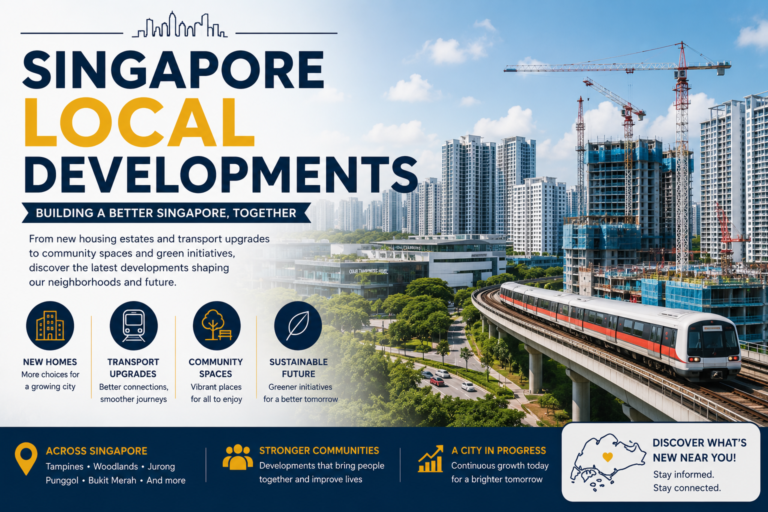
Singapore has always been a city that refuses to stand still. Look around, and you’ll notice something changing almost everywhere — new neighbourhoods rising, older areas getting refreshed, transport links expanding, and entire districts being redesigned with a more future-ready vision.
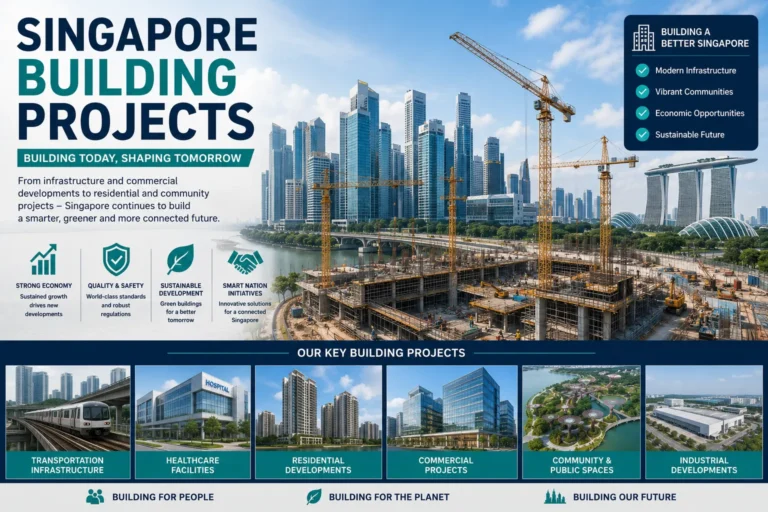
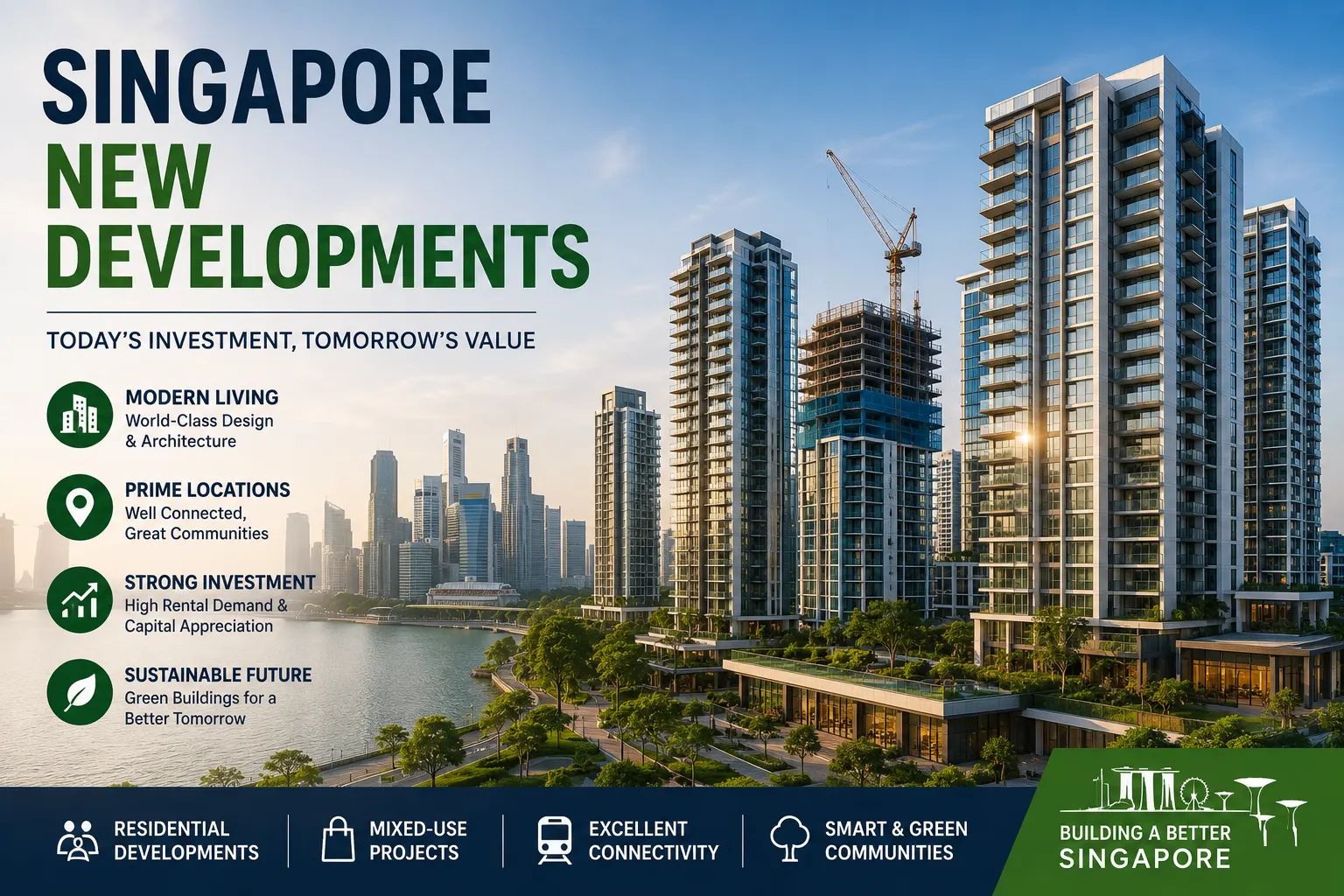
The latest Singapore New Developments are not just about adding more buildings. They reflect a bigger plan: creating a city that is greener, smarter, more connected, and comfortable for future generations.
From exciting waterfront transformations to new housing estates and innovative business hubs, Singapore’s urban landscape is entering another major phase of growth. Some projects are already underway, while others will take shape over the next decade.
Here are some of the most important developments that are shaping Singapore’s next chapter.
1. Greater Southern Waterfront: A New Coastal Destination
One of the biggest upcoming transformations in Singapore is the Greater Southern Waterfront project.
This massive redevelopment covers about 30 kilometres of coastline stretching from Gardens by the Bay East to Pasir Panjang. The area will eventually become a vibrant mix of homes, offices, leisure spaces, parks, and community areas.
The relocation of port activities from the southern coastline creates a rare opportunity — land in a prime location close to the city centre.
Future plans include:
- New residential communities
- Waterfront parks and walking paths
- Commercial spaces
- Recreational facilities
- Improved transport connections
The vision is to create a place where people can live, work, and relax beside the sea.
It’s not just another property project. It’s a long-term city-building effort that could completely reshape Singapore’s southern coastline.
2. Tengah: Singapore’s First Smart and Car-Free Town
When talking about Singapore New Developments, Tengah is one name that keeps appearing.
Located in the western part of Singapore, Tengah is designed as the country’s first smart town. Unlike traditional estates, Tengah focuses heavily on sustainability, technology, and community living.
The town includes several unique features:
- A car-free town centre
- Extensive cycling paths
- Smart energy systems
- Green corridors
- Sustainable housing designs
The “forest town” concept is a major part of Tengah’s identity. Instead of separating nature from urban living, the development aims to blend both together.
Residents can expect greener surroundings, cleaner air, and neighbourhood spaces designed to encourage interaction.
And this is only the beginning. As more Tengah districts are completed, the area is expected to become a model for future residential planning in Singapore.
3. Punggol Digital District: Where Technology Meets Everyday Life
Punggol has changed dramatically over the years. Once known mainly as a quiet residential area, it is now becoming one of Singapore’s key technology hubs.
The Punggol Digital District (PDD) is designed to combine business, education, and lifestyle spaces in one integrated district.
The development will support industries such as:
- Artificial intelligence
- Cybersecurity
- Digital technology
- Smart solutions
- Advanced manufacturing
A major feature is the collaboration between businesses and educational institutions. This creates opportunities for students, professionals, and companies to work together.
Beyond offices, Punggol Digital District also includes retail spaces, public areas, and community facilities.
The goal is simple: create a place where innovation happens naturally, not just inside offices.
4. Jurong Lake District: Singapore’s Second CBD
Singapore’s central business district has always been the heart of commercial activity. But future growth requires new business centres, and Jurong Lake District is expected to play a major role.
Located in the west, Jurong Lake District is planned as Singapore’s largest business district outside the city centre.
The development focuses on:
- Business opportunities
- Mixed-use buildings
- Green spaces
- Residential areas
- Better connectivity
With the upcoming expansion of transport networks, Jurong is expected to become even more accessible.
The area already has major attractions such as Jurong Lake Gardens and shopping destinations. Future developments will add another layer, creating a more complete urban centre.
For businesses and residents, this could mean more opportunities closer to home.
5. New Housing Estates and HDB Developments
Housing remains one of the biggest priorities in Singapore’s development plans.
New HDB towns and housing projects continue to appear across the island, offering modern homes with improved facilities.
Some newer housing developments focus on:
- Larger community spaces
- Sustainable designs
- Better accessibility
- More greenery
- Smart home features
New estates are no longer simply collections of apartment blocks. They are designed around lifestyles.
Residents today want nearby parks, childcare facilities, shops, exercise areas, and easy transport access. Singapore’s newer developments are built with these daily needs in mind.
The focus has shifted from “building homes” to “creating communities.”
6. Cross Island Line: Improving Connectivity Across Singapore
Transport is a major part of Singapore’s urban growth. As new districts develop, efficient connectivity becomes even more important.
The Cross Island Line (CRL) is one of the biggest upcoming MRT projects.
Once completed, the line will improve connections between eastern, northeastern, and western parts of Singapore.
It will support growing areas such as:
- Changi
- Loyang
- Pasir Ris
- Hougang
- Jurong areas
Better transport links often bring new opportunities. Businesses become easier to reach, residents enjoy shorter travel times, and previously less-connected areas gain new importance.
The Cross Island Line is expected to play a major role in supporting Singapore’s future growth.
7. Changi Region Expansion and Airport Growth
Changi Airport has always been one of Singapore’s strongest global connections. But future plans go beyond simply expanding airport operations.
The Changi East development area continues to evolve, supporting aviation, tourism, business, and logistics.
Future growth includes:
- Airport improvements
- New commercial opportunities
- Better passenger experiences
- Expanded aviation-related industries
The airport is not just a transport hub anymore. It is becoming a major economic ecosystem.
With tourism patterns changing and global connectivity becoming more important, Changi’s continued development will remain a key part of Singapore’s future.
8. Woodlands Regional Centre: A Northern Growth Hub
The north of Singapore is also seeing major transformation.
Woodlands Regional Centre is planned as a key economic hub, bringing more jobs and amenities closer to northern residents.
The development includes:
- Business spaces
- Research facilities
- Retail areas
- Community spaces
The upcoming Johor Bahru–Singapore Rapid Transit System (RTS) Link will also strengthen connections between Singapore and Malaysia.
This could increase economic activity in the north and create new opportunities for businesses and residents.
Woodlands is moving beyond being a residential town. It is becoming a strategic gateway.
9. Greener Buildings and Sustainable Urban Planning
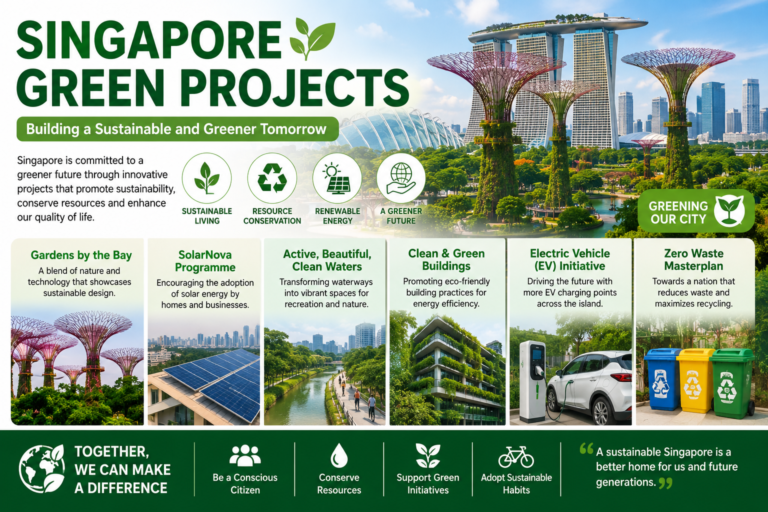
Sustainability is at the centre of many Singapore New Developments.
New buildings are increasingly designed with environmental goals in mind.
Common features include:
- Energy-efficient systems
- Solar panels
- Green rooftops
- Better cooling solutions
- Water-saving technology
Singapore’s approach is different from simply adding more parks. The aim is to make the entire city more environmentally friendly.
From residential buildings to commercial districts, sustainability is becoming part of everyday urban design.
Small changes across thousands of buildings can create a significant impact over time.
10. Revitalising Older Neighbourhoods
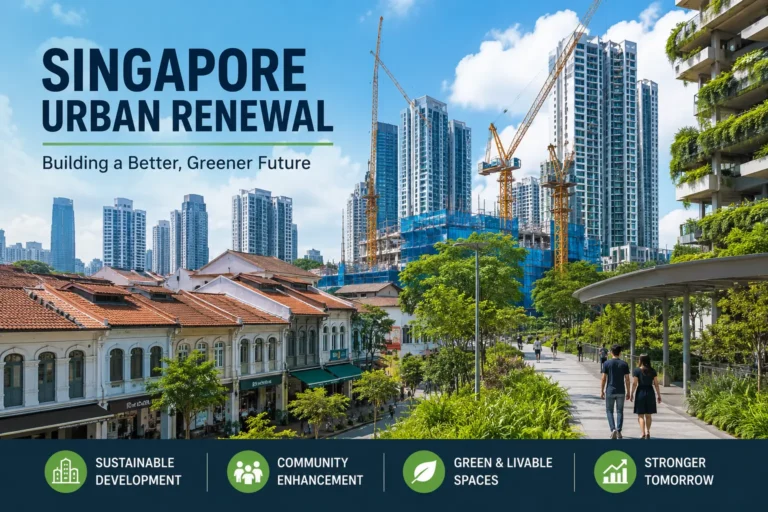
Singapore’s development is not only about building new places. Older estates are also receiving upgrades.
Through renewal programmes, mature neighbourhoods are being improved with:
- Better public spaces
- Upgraded facilities
- More greenery
- Improved accessibility
Areas such as Toa Payoh, Queenstown, and other established towns continue to evolve while preserving their unique character.
This balance between old and new is one of Singapore’s strengths.
The city grows without completely losing its history.
The Future of Singapore Looks More Connected Than Ever
The wave of Singapore New Developments shows how carefully planned urban growth can transform a city.
From smart towns like Tengah to ambitious projects like the Greater Southern Waterfront, each development serves a bigger purpose — improving how people live, work, and connect.
Singapore’s future will likely look very different from today. More green spaces. Smarter technology. Better transport. New communities built around changing lifestyles.
But one thing remains consistent: the city continues to adapt.
These developments are not just about creating impressive buildings. They are about shaping a place where people can enjoy a better quality of life for decades to come.