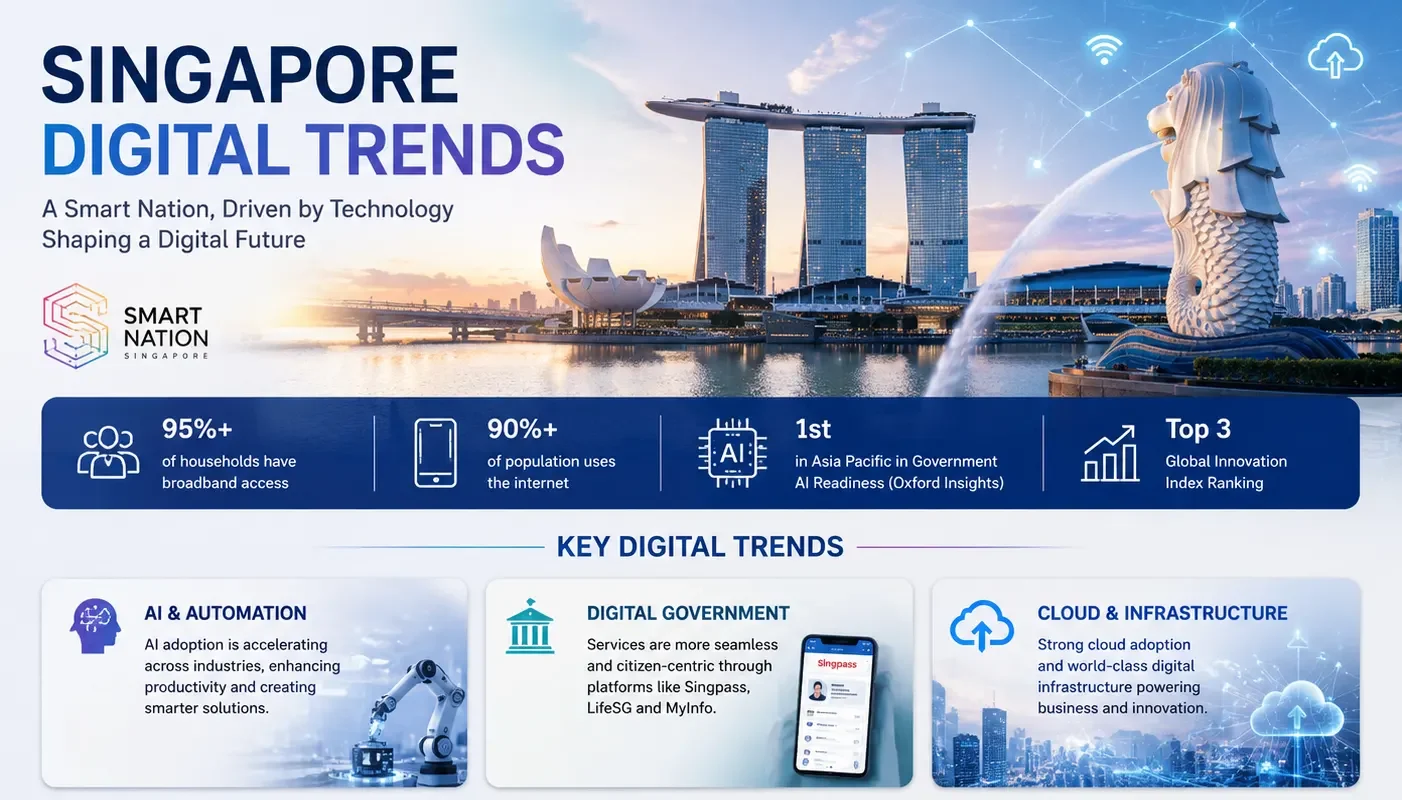
Singapore Digital Trends: The Technology Changes Shaping Daily Life
Technology in Singapore isn’t slowing down—it’s becoming part of everyday routines. From paying with PayNow at a hawker centre to using AI-powered tools at work, the latest Singapore Digital Trends are changing how people live, shop, travel, and run businesses. What once felt new now feels normal.
Behind these everyday changes is a growing Singapore digital economy built on continuous Singapore innovation. Businesses are adopting smarter systems, government services are becoming more accessible, and Singapore technology continues to support everything from healthcare and education to finance and retail. It’s not just large companies benefiting anymore. SMEs and startups are moving just as quickly.
As Digital Singapore grows, new opportunities keep appearing alongside new challenges. AI, cloud computing, cybersecurity, digital payments, and Smart Nation projects are shaping what comes next. Knowing where these changes are heading can help businesses make better decisions while helping residents understand how technology is influencing daily life across the country.
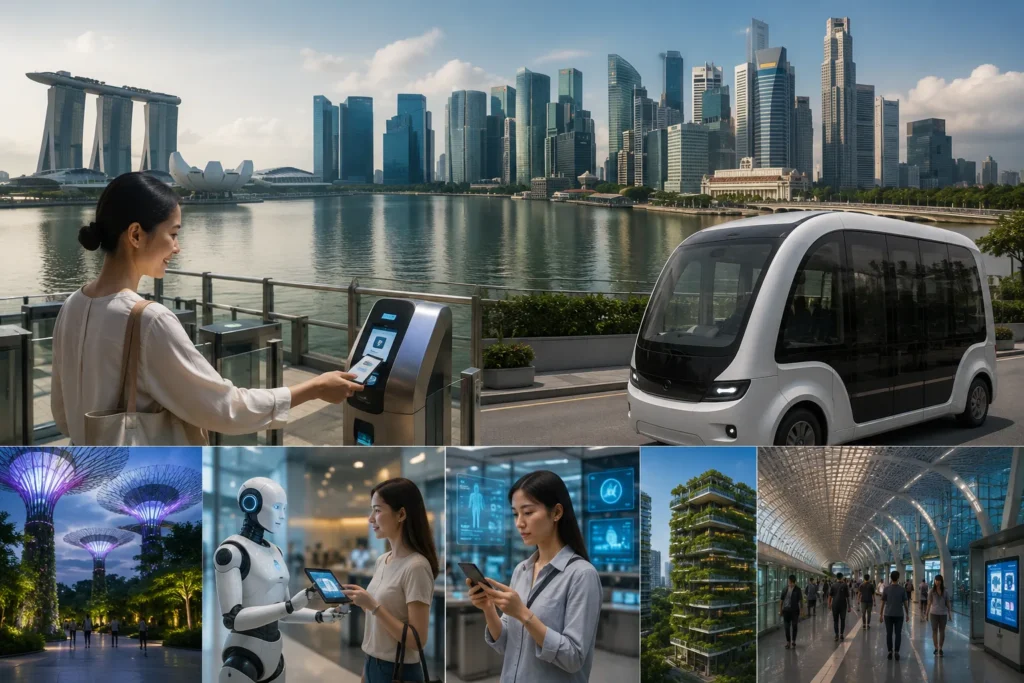
| Key Area | Quick Insight |
|---|
| Singapore Digital Trends | AI, automation, and digital services are changing daily life and business operations. |
| Singapore AI | Businesses are using AI to improve productivity and create better customer experiences. |
| Digital Payments | PayNow, QR codes, and digital wallets are helping Singapore move towards a cashless economy. |
| Smart Nation Singapore | Government digital services are becoming faster, smarter, and easier to access. |
| Cloud & Cybersecurity | Companies are investing in cloud solutions and stronger cybersecurity to protect important data. |
| Singapore Digital Economy | SMEs, startups, and enterprises are accelerating digital transformation and innovation. |
| Future Outlook | Emerging technologies will continue shaping Singapore’s digital future across different industries. |
Why Singapore Is Leading Digital Innovation
Singapore isn’t waiting for the future—it’s already living it. From scanning a QR code at a hawker centre to accessing government services online, technology has become part of everyday life.
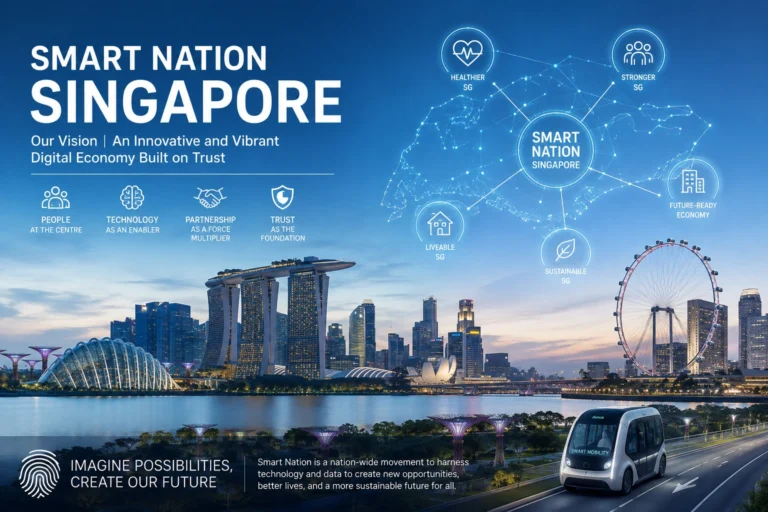
A big reason behind this progress is Smart Nation Singapore. The initiative has made public services faster, smarter, and easier to access while encouraging businesses to embrace digital solutions.
The rapid pace of Singapore digital transformation is also helping companies grow. Startups, SMEs, and large organisations are investing in AI, cloud computing, and automation to improve efficiency and customer experiences.
At the same time, the Singapore technology sector continues to expand with fresh ideas and new investments. Better Singapore digital services and ongoing Singapore digital growth are helping the country stay among Asia’s leading digital economies.
1. Artificial Intelligence Is Becoming Part of Everyday Business
Singapore AI is no longer limited to large technology companies. Small businesses, startups, retailers, and even neighbourhood service providers are using AI to handle customer support, analyse data, create content, and automate routine work. Tasks that once took hours can now be completed much faster

The latest AI trends in Singapore show growing demand for smarter business tools across finance, healthcare, education, logistics, and retail. As Singapore AI adoption continues to rise, companies are finding practical ways to improve efficiency without increasing costs. It’s one of the biggest Singapore technology trends, and it’s changing how businesses compete in an increasingly digital economy.
| Digital Trend | Why It Matters in Singapore | Everyday Impact |
| Artificial Intelligence (AI) | Businesses are automating routine tasks and improving customer support. | Faster services and smarter workplaces |
| Digital Payments | Cashless transactions continue to grow across the country. | Quick payments with PayNow, QR codes, and digital wallets |
| Smart Nation Services | Government services are becoming easier to access online. | Less paperwork and faster digital services |
| Cloud Computing | Companies can securely store data and scale operations. | Better collaboration and remote working |
| Cybersecurity | Stronger protection is needed as digital activity increases. | Safer online banking, shopping, and business operations |
| E-Commerce | More consumers prefer shopping online than ever before. | Greater convenience and wider product choices |
| 5G Connectivity | Faster internet supports smart devices and businesses. | Better streaming, gaming, and connected technology |
| HealthTech | Digital healthcare services continue to expand. | Easier appointment booking and virtual consultations |
2. Digital Payments Continue Replacing Cash
Forgot your wallet? In many places across Singapore, that’s no longer a big problem. From grabbing kopi at a hawker centre to shopping on Orchard Road, a quick QR scan or phone tap is usually enough. Digital payments in Singapore have become part of everyday routines, making cash something many people rarely reach for.
This steady move towards a cashless society Singapore is being driven by rapid fintech growth and secure banking technology. PayNow, NETS, and digital wallets are helping people pay in seconds, while businesses enjoy faster checkouts and simpler payment management. As mobile payments become even more common, convenience is turning into the new standard across the country.
3. Smart Nation Services Are Expanding
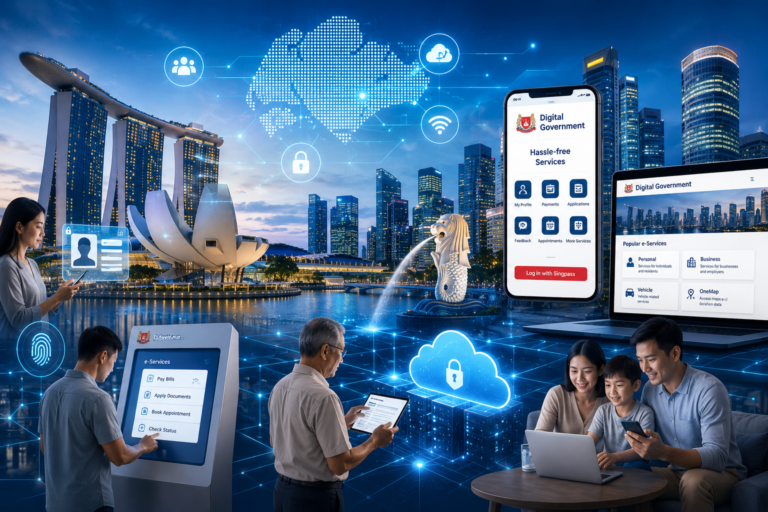
Technology is also changing how people access government services. Through Smart Nation initiatives Singapore, many everyday tasks can now be completed online in just a few minutes.
Using Singpass, residents can securely access digital government Singapore platforms without visiting multiple offices. As more public digital services become available online, daily life is becoming faster, easier, and more convenient.
Cybersecurity Is a Bigger Priority Than Ever
As more people shop, bank, and work online, cybersecurity trends Singapore are becoming a bigger focus for businesses and individuals alike. Protecting personal information is no longer just an IT concern—it’s part of everyday digital life.
Building digital trust starts with stronger security, safer online habits, and better protection of sensitive data. With growing concerns around scams and data breaches, online privacy has become just as important as convenience.
4. Cloud Computing Helps Businesses Grow Faster
Cloud computing in Singapore is helping companies work smarter without spending heavily on physical infrastructure. Files, applications, and business data can be accessed securely from almost anywhere.
Many SMEs are also using cloud platforms for business automation, making it easier to manage daily operations, improve teamwork, and respond faster to customer needs while keeping costs under control.
5. Traditional Singapore vs Digital Singapore
| Everyday Activity | Traditional Way | Digital Way |
| Paying for Purchases | Cash Payments | Digital Wallets & PayNow |
| Government Services | Paper Forms & Office Visits | Online Services with Singpass |
| Banking | Physical Bank Branches | Mobile & Digital Banking |
| Business Operations | Manual Processes | AI & Automation Tools |
| Shopping | Offline Stores | E-Commerce Platforms |
| Customer Support | Phone Calls | Live Chat & AI Assistants |
| Document Storage | Paper Files | Cloud Storage |
| Business Meetings | In-Person Meetings | Video Conferencing & Collaboration Apps |
6. Digital Skills Are Becoming More Valuable
As technology continues to evolve, learning new skills has become part of career growth. Programmes like SkillsFuture are helping people build practical knowledge in AI, data, and other digital fields.
At the same time, digital education is making learning more flexible for students and working professionals. This focus on workforce development is helping Singapore prepare for future jobs and changing industry demands.
7. Green Technology Is Part of Singapore’s Digital Future
Technology isn’t only making life more convenient—it’s also supporting a greener future. As the future digital economy Singapore continues to grow, businesses and public agencies are investing in cleaner technologies that reduce energy use and improve efficiency.
A stronger focus on sustainability and smart energy is helping Singapore lower its environmental impact while supporting long-term digital growth. It’s a practical step towards building a smarter and more sustainable future.
How Singapore Digital Trends Affect Businesses
Singapore Digital Trends are changing how businesses operate every day. From SMEs to large companies, digital tools are helping teams work faster, reduce costs, and improve customer experiences.
The Singapore startup ecosystem is also growing as more startups adopt AI, cloud technology, and automation from day one. At the same time, rising customer expectations are pushing businesses to follow the latest Singapore business technology trends and deliver quicker, more convenient digital services.
Benefits of Singapore Digital Trends
| Business Benefits | Consumer Benefits |
| Lower operating costs | Faster access to public services |
| Better customer support | Easier online and mobile banking |
| AI-powered automation | Secure digital payments |
| Cloud storage and collaboration | Faster healthcare and digital appointments |
| Smarter data insights | Convenient online shopping |
| Higher productivity | Quicker access to government services |
| Improved business efficiency | Safer digital transactions |
| Flexible remote working | More personalised digital experiences |
How Residents Benefit from Digital Singapore
Digital technology has changed simple daily tasks across Singapore. Banking, transport, shopping, healthcare, and education are becoming easier with just a few taps on a phone.
Online banking and digital payments make transactions faster, while smart transport apps help people plan routes and travel more smoothly. Shopping platforms bring more choices without leaving home.
In healthcare, digital services help residents book appointments and access medical information quickly. Education is also changing with online learning tools and digital resources, giving students more flexible ways to learn and improve their skills.
Challenges Businesses and Residents Should Watch
Digital growth brings many benefits, but it also creates new challenges. Businesses and residents need to stay aware of issues that come with greater technology use.
AI ethics is becoming an important topic as more companies use artificial intelligence for decisions and automation. Protecting personal information is also a priority, making data privacy and cybersecurity key concerns.
At the same time, the digital skills gap can make it harder for some people to adapt to new tools. Online scams are another growing risk, which is why safe digital habits and awareness are becoming more important in Singapore.
Opportunities vs Challenges of Singapore Digital Trends
| Opportunity | Challenge |
| AI Productivity | Privacy Risks |
| Cashless Payments | Online Fraud |
| Cloud Computing | Data Security Concerns |
| Smart Government Services | Digital Skills Gap |
| E-Commerce Growth | Rising Cyber Threats |
| Faster Digital Services | Adapting to New Technology |
| Business Automation | Responsible AI Use |
| Connected Smart Solutions | Protecting Personal Information |
What Comes Next for Singapore’s Digital Future
The future of technology in Singapore will continue to focus on smarter services, better connectivity, and practical solutions for everyday needs. Businesses are expected to adopt more AI tools, automation, and data-driven systems as technology becomes a bigger part of daily operations.

The growth of emerging technologies in Singapore will create new opportunities in areas like robotics, smart energy, healthcare, and finance. The Singapore tech industry is also set to expand as companies invest in fresh ideas and digital solutions.
Looking ahead, the Singapore digital future will depend on how well businesses and residents adapt to change. The latest Singapore technology trends for businesses show that companies that embrace digital tools early will be better prepared for future growth.
FAQs About Singapore Digital Trends
Is Singapore a digital city?
Yes, Singapore is one of the world’s leading digital cities. Singapore Digital Trends like AI, smart services, and digital payments are shaping daily life.
What is Singapore’s digital economy?
The Singapore digital economy is built around technology, fintech, AI, e-commerce, and digital services that help businesses and people work smarter.
What is Singapore’s digital identity?
Singapore uses Singpass as a secure digital identity system. It allows residents to access government and private online services easily.
Does Singapore have a digital currency?
Singapore does not have a public digital currency yet, but it is exploring digital currency projects and blockchain technology.
Is crypto legal in Singapore?
Yes, crypto is legal in Singapore under regulated conditions. Digital asset companies must follow local rules and licensing requirements.
Can Bitcoin be used in Singapore?
Bitcoin can be bought and held in Singapore, but it is not official currency. Some businesses accept crypto payments through approved methods.
Conclusion
Technology is becoming a normal part of life in Singapore, from how people pay and travel to how businesses operate and grow. The latest Singapore Digital Trends show a clear shift toward smarter services, stronger digital connections, and better solutions for everyday challenges.
For businesses, keeping up with Singapore technology trends means improving efficiency, meeting customer expectations, and staying ready for future changes. The growth of the Singapore digital economy also creates new opportunities for startups, SMEs, and larger organisations.
As digital transformation in Singapore continues, the focus will remain on practical technology that makes life easier. Staying aware of these changes will help both businesses and residents make better choices in Singapore’s growing digital future.