
Singapore Property Investment: 10 Smart Things Investors Should Know Before Buying
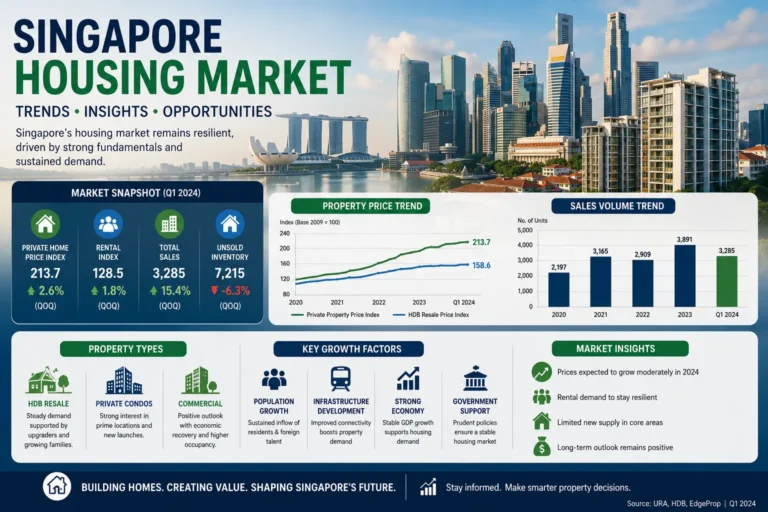
Singapore has always been a magnet for property investors. The city-state’s strong economy, political stability, world-class infrastructure, and limited land supply have made real estate one of the most closely watched investment options in Asia.
But property investment here isn’t as simple as buying a unit and waiting for prices to rise. There are regulations, financing rules, taxes, location factors, and changing buyer preferences to consider. A good decision requires more than just following market excitement.
For anyone exploring Singapore Property Investment, the key is understanding how the market works and choosing a strategy that matches your financial goals. Whether you’re looking for rental income, long-term capital growth, or a place to diversify your assets, the right approach can make a huge difference.
Here are 10 important things every investor should know before entering Singapore’s property market.
1. Understand Why Singapore Property Remains Attractive
One reason Singapore continues to attract investors is its reputation as a safe and reliable market.
Unlike many property markets that experience extreme ups and downs, Singapore’s real estate sector is supported by careful government planning and strict regulations. The country has limited land availability, which naturally creates demand for well-located properties.
Several factors support property value over the long term:
- Strong employment opportunities
- Growing demand from residents and businesses
- Excellent public transport connectivity
- Stable legal and financial systems
- High-quality urban planning
Singapore is also a major business hub in Southeast Asia. Many multinational companies choose the country as their regional headquarters, bringing in professionals who need housing.
That steady demand creates opportunities for investors, especially those who focus on properties in areas with strong rental appeal.
But investors should remember — stability doesn’t mean every property automatically becomes profitable. Location, property type, and timing still matter.
2. Choose Between Residential Property Types Carefully
When considering Singapore Property Investment, one of the first decisions is choosing the right type of property.
The residential market mainly includes:
- Private condominiums
- Landed properties
- Executive condominiums (ECs)
- Housing Development Board (HDB) flats (with ownership restrictions)
Each option comes with different advantages.
Condominiums
Condos are popular among investors because they often appeal to expatriates, professionals, and tenants who value facilities such as swimming pools, gyms, security, and convenience.
A well-located condominium near an MRT station or business district can attract consistent rental demand.
Landed Properties
Landed homes are highly limited in Singapore due to land scarcity. They often appeal to affluent buyers looking for space and exclusivity.
However, they usually require a much higher investment amount and may not suit investors focused on rental yield.
Executive Condominiums
ECs can offer an interesting middle ground. They are developed with features similar to private condos but may have certain eligibility conditions and ownership restrictions.
The best choice depends on your budget, investment timeline, and goals.
3. Location Still Plays a Major Role
The famous phrase “location, location, location” remains true in Singapore.
A beautiful property in a less convenient area may struggle compared with a smaller unit in a highly connected neighbourhood.
Investors usually look at factors such as:
- Distance to MRT stations
- Nearby schools
- Shopping centres
- Business districts
- Future developments
- Lifestyle amenities
Areas close to employment hubs often attract stronger rental demand.
For example, properties near locations such as the Central Business District, one-north, Marina Bay, or major transport connections may appeal to working professionals.
However, emerging neighbourhoods should not be ignored. Government redevelopment plans and new infrastructure projects can improve an area’s attractiveness over time.
Sometimes the best opportunities are found before an area becomes fully developed.
4. Know Your Investment Goal Before Buying
A common mistake among property investors is buying first and thinking about strategy later.
Before making a purchase, ask yourself:
Are you investing for rental income or capital appreciation?
These two goals require different approaches.
Rental Income Strategy
Investors focused on rental returns usually look for:
- Affordable entry prices
- Strong tenant demand
- Convenient locations
- Efficient layouts
Smaller units, especially near business areas, may attract young professionals or expatriates.
Capital Growth Strategy
Investors targeting long-term appreciation often focus on:
- Upcoming growth areas
- Limited-supply developments
- Strong neighbourhood fundamentals
A property that produces moderate rental income today may still deliver strong gains years later if the location improves.
There is no single perfect strategy. The important thing is knowing what you want from the investment.
5. Consider Financing and Loan Rules
Property investment involves significant capital, so understanding financing is essential.
Singapore has strict borrowing regulations designed to keep the property market stable.
Investors need to consider:
- Down payment requirements
- Loan limits
- Interest rates
- Monthly repayment ability
- Existing financial commitments
A common mistake is stretching finances too far because of excitement during a property launch or market boom.
A comfortable investment should allow room for unexpected situations — such as higher interest rates, renovation costs, vacancies, or maintenance expenses.
Good investors don’t just calculate how much they can borrow. They calculate how much they can comfortably manage.
6. Factor in Taxes and Additional Costs
The purchase price is only one part of property investment.
Investors should budget for additional expenses, including:
- Buyer’s Stamp Duty
- Additional Buyer’s Stamp Duty (where applicable)
- Legal fees
- Renovation costs
- Maintenance fees
- Property taxes
- Agent commissions
These costs can significantly affect overall returns.
For foreign buyers especially, understanding Singapore’s property taxes and ownership regulations is extremely important before committing.
A property that looks profitable on paper may produce a lower return after all expenses are included.
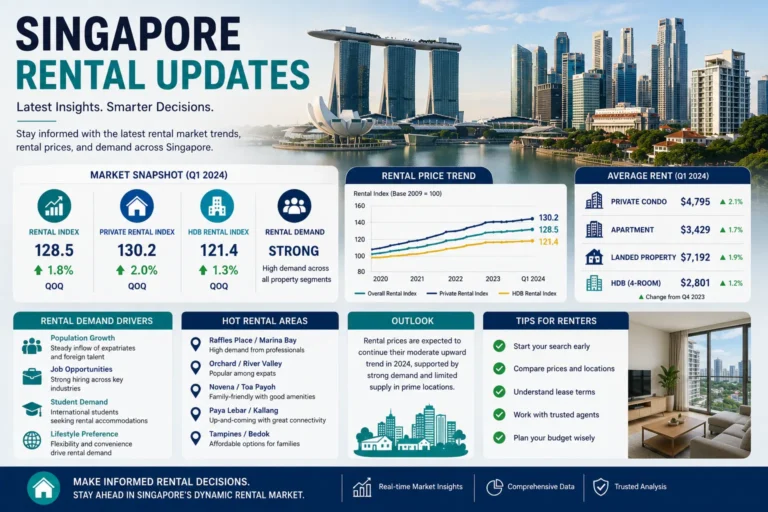
7. Study Rental Demand Before Purchasing
A property’s investment value is closely connected to tenant demand.
Not every attractive development will generate strong rental performance.
Before buying, investors should research:
- Average rental prices nearby
- Tenant profiles
- Vacancy rates
- Nearby competition
- Unit size preferences
For example, a compact apartment near offices may appeal to singles and professionals. A larger unit near good schools may attract families.
Understanding who your future tenants are can help you choose a property with better income potential.
8. Don’t Ignore Market Cycles
Property markets move in cycles. Prices can rise quickly during strong periods, but they can also slow down.
Successful investors avoid making decisions based purely on emotions.
Instead, they monitor:
- Economic conditions
- Interest rate changes
- Government cooling measures
- Supply levels
- Buyer demand
Singapore’s property market is carefully managed, and policy changes can influence investor behaviour.
Sometimes waiting for the right opportunity is better than rushing into a purchase because everyone else is buying.
9. Think Long Term Instead of Chasing Quick Profits
Real estate is usually a long-term investment.
While some investors make gains through market timing, consistent success often comes from patience and careful selection.
A strong property investment usually focuses on:
- Good location
- Quality development
- Sustainable demand
- Financial planning
Short-term speculation can be risky, especially with changing regulations and market conditions.
A property bought with a clear long-term plan is more likely to withstand market fluctuations.
10. Work With Reliable Property Professionals
The Singapore property market has many opportunities, but it can also be complex.
Working with experienced professionals can help investors make better decisions.
Useful experts may include:
- Licensed property agents
- Mortgage consultants
- Lawyers
- Tax professionals
A good advisor should help you understand the numbers, risks, and long-term potential — not simply push you toward a purchase.
Take your time. Ask questions. Compare options.
The best investment decisions usually come from research, not pressure.
Final Thoughts: Is Singapore Property Investment Worth Considering?
Singapore Property Investment continues to attract local and international buyers because of the country’s stability, strong infrastructure, and long-term growth potential.
But success doesn’t come from buying any property in a rising market. It comes from choosing wisely.
The right investor studies locations, understands financing, calculates costs, and stays focused on long-term value.
Property can be a powerful wealth-building tool — but only when approached with preparation and realistic expectations.
In Singapore’s competitive property landscape, knowledge is your biggest advantage. A well-researched decision today could become a valuable asset for many years ahead.