
Singapore Housing Updates: 10 Important Changes Every Homebuyer
Singapore’s property market never stays still for long. New housing policies, fresh Build-To-Order (BTO) launches, resale trends, grants, financing rules, and urban development plans continue to shape the way people buy, sell, and invest in homes.
If you’ve been searching for the latest Singapore Housing Updates, you’re probably wondering what actually matters. Not every announcement changes your plans—but some definitely do.
Whether you’re a first-time buyer, an upgrader, a homeowner, or simply keeping an eye on the market, understanding today’s housing landscape can help you make smarter decisions. Let’s look at the biggest updates that are influencing Singapore’s housing market right now.
1. More BTO Flats Are Being Launched
One of the biggest Singapore Housing Updates is the continued increase in BTO supply.
To meet growing housing demand, the government has committed to launching more BTO projects across different towns. This gives first-time buyers better opportunities to secure new homes without relying solely on the resale market.
Recent launches include both mature and non-mature estates, giving buyers more flexibility depending on their budget and lifestyle.
Benefits include:
- Increased housing supply
- More location choices
- Better chances during BTO balloting
- Reduced pressure on resale prices over time
Still, competition remains strong in popular locations.
2. New Flat Classification System
Singapore has introduced a new way of classifying public housing.
Instead of the traditional “mature” and “non-mature” estate categories, newer BTO projects are now grouped into different classifications based on location and market value.
These classifications come with different eligibility conditions and resale rules.
The goal?
To keep public housing affordable while ensuring homes remain accessible to future buyers.
It’s a significant shift—and one every BTO applicant should understand before submitting an application.
3. Housing Grants Continue to Support First-Time Buyers
One reason home ownership remains accessible is the range of available housing grants.
Several financial assistance schemes continue helping eligible Singaporeans reduce the cost of purchasing a home.
Depending on your situation, grants may be available for:
- First-time homebuyers
- Families
- Singles
- Lower-income households
- Resale flat buyers
These grants can reduce upfront costs considerably, making home ownership more achievable.
Before buying, always calculate your total grant eligibility instead of focusing only on the purchase price.
4. Resale Market Is Becoming More Stable
Not long ago, resale flat prices experienced rapid growth.
Recent Singapore Housing Updates suggest that while prices remain relatively high, the market has begun stabilizing.
Several factors contribute to this:
- Increased BTO supply
- Cooling measures
- Higher interest rates
- More balanced buyer demand
This doesn’t necessarily mean prices will fall dramatically.
Instead, buyers may find themselves negotiating in a healthier, less competitive environment compared with previous years.
That’s good news for many families entering the market.
5. Interest Rates Still Matter
Housing affordability isn’t only about property prices.
Mortgage interest rates have become one of the biggest factors influencing monthly housing costs.
Although rates fluctuate depending on economic conditions, many buyers now spend more time comparing financing options before committing.
Important considerations include:
- Fixed versus floating loans
- Monthly repayment amounts
- Loan tenure
- Future interest rate changes
A slightly lower interest rate may save thousands of dollars over the lifetime of a mortgage.
It’s worth doing the math.
6. Sustainable Housing Is Becoming the Standard
Green living isn’t just a trend anymore.
New housing developments increasingly include environmentally friendly features such as:
- Energy-efficient lighting
- Solar panels
- Green roofs
- Smart water management
- Better natural ventilation
- Electric vehicle charging infrastructure
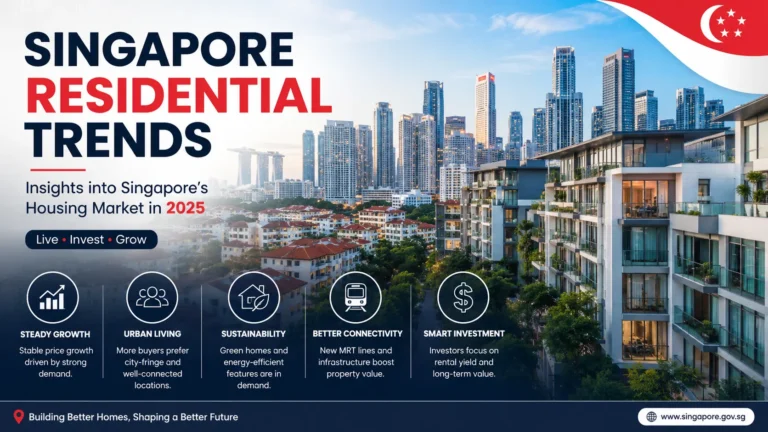
These improvements reduce long-term utility costs while supporting Singapore’s sustainability goals.
For buyers, this often means lower operating expenses and a healthier living environment.
Not a bad combination.
7. Smart Home Features Are Expanding
Technology continues transforming modern housing.
Many new residential developments now include smart features such as:
- Digital door locks
- Smart lighting systems
- Mobile app controls
- Energy monitoring
- Integrated security systems
These technologies improve convenience and energy efficiency.
Even resale homeowners are increasingly upgrading older flats with affordable smart home devices.
It’s becoming normal rather than luxurious.
8. Estate Upgrading Continues Across Singapore
Existing neighbourhoods haven’t been forgotten.
One of the ongoing Singapore Housing Updates involves continuous estate renewal projects designed to improve older housing estates.
These improvements may include:
- New parks
- Better playgrounds
- Lift upgrading
- Barrier-free accessibility
- Improved transport links
- Community spaces
- Enhanced landscaping
Older estates often become more attractive after these upgrades, benefiting both residents and property values.
Sometimes a familiar neighbourhood feels almost brand new.
9. Better Connectivity Is Increasing Property Appeal
Transport remains one of the strongest drivers of housing demand.
New MRT stations, road improvements, cycling paths, and bus routes continue reshaping Singapore’s residential landscape.
Homes located near expanding transport networks often become more desirable over time because they offer:
- Shorter commuting times
- Better accessibility
- Increased convenience
- Stronger long-term demand
When evaluating property, many buyers now look beyond today’s accessibility and consider future transport developments as well.
That long-term thinking can pay off.
10. Buyers Are Becoming More Careful
Today’s buyers are better informed than ever.
Instead of rushing into purchases, many spend months researching:
- Government policies
- Market trends
- Loan options
- Upcoming developments
- Resale transactions
- Future neighbourhood plans
This shift has created a more thoughtful property market.
People aren’t just buying homes.
They’re planning for decades ahead.
And honestly… that’s probably a healthier approach.
Tips for Navigating Singapore Housing Updates
Housing policies change regularly, making it important to stay informed.
Some practical tips include:
- Follow official housing announcements.
- Compare financing options before applying for loans.
- Understand grant eligibility early.
- Research future developments near your preferred location.
- Consider long-term affordability instead of only purchase price.
- Budget for renovation and maintenance costs.
- Don’t rush simply because others are buying.
A little patience often leads to better decisions.
What These Housing Updates Mean for the Future
Singapore’s housing market continues evolving to balance affordability, sustainability, and long-term urban planning.
Future developments are expected to focus on:
- More housing supply
- Greener communities
- Smart city technologies
- Improved transport connectivity
- Better estate renewal
- Sustainable urban living
While market conditions will continue changing, the overall direction remains clear—creating housing that supports future generations while maintaining accessibility for today’s buyers.
For homeowners, these improvements may enhance quality of life.
For buyers, they create more opportunities to find homes that suit different budgets and lifestyles.
Final Thoughts
Keeping up with Singapore Housing Updates helps buyers, homeowners, and investors make informed decisions in an evolving property market.
From expanded BTO launches and housing grants to smart homes, sustainable developments, and estate renewal projects, today’s changes reflect Singapore’s long-term vision for quality urban living.
Housing decisions aren’t just about today’s prices. They’re about future communities, convenience, financial stability, and lifestyle. By staying informed about the latest updates, you’ll be better prepared to choose a home that meets both your current needs and your long-term goals.