Singapore Policy Changes: 10 Important Updates Everyone Should Know
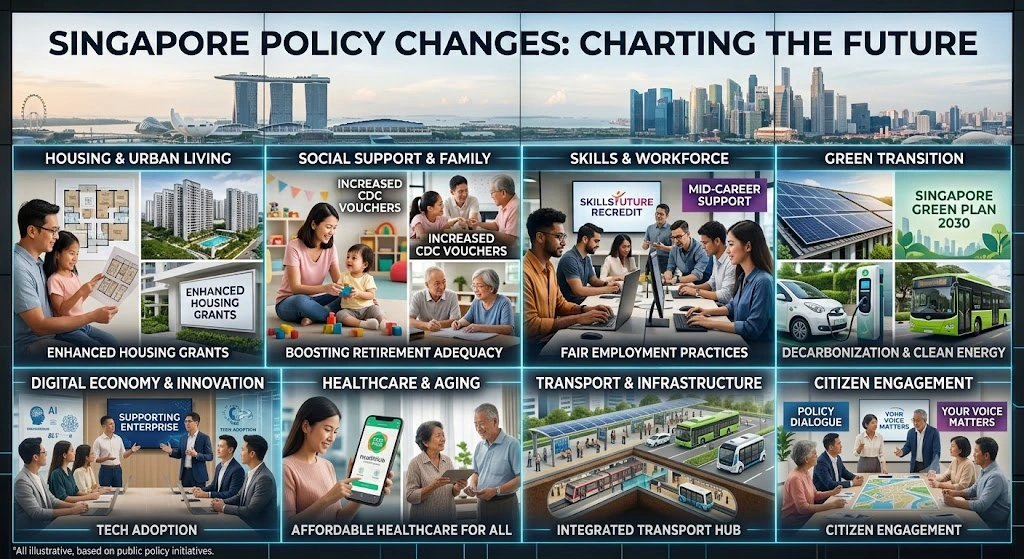
Singapore continues to refine its national policies to address changing economic conditions, technological advancements, and community needs to Singapore Policy Changes.As new initiatives are introduced and existing regulations are updated, staying informed has become increasingly important for residents, businesses, and visitors alike.
This guide highlights the latest Singapore policy changes, explains what they mean in practical terms, and helps you understand how these updates may affect daily life in 2026.
1. Cost-of-Living Support Measures Continue to Expand
One of the biggest priorities for the Singapore government has been helping households manage rising living costs.
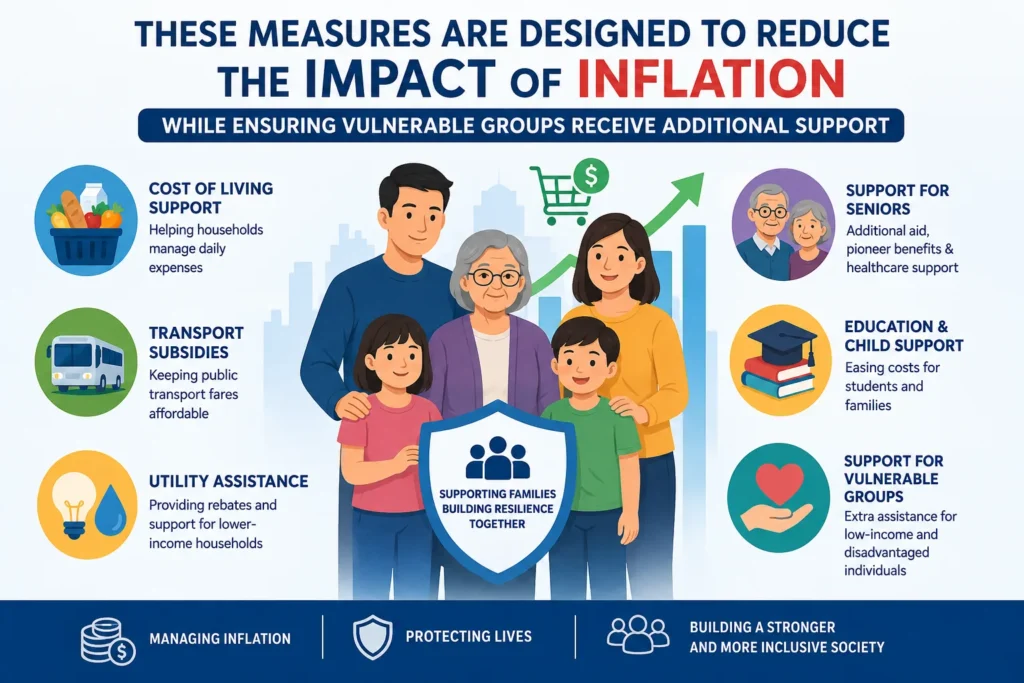
Several financial support schemes have been enhanced over recent years, including:
- Cash payouts
- Utility rebates
- CDC vouchers
- GST support packages
- Income assistance for lower-income families
These measures are designed to reduce the impact of inflation while ensuring vulnerable groups receive additional support.
For many Singaporeans, these aren’t just headlines—they directly affect monthly household budgets.
And honestly… every little bit helps.
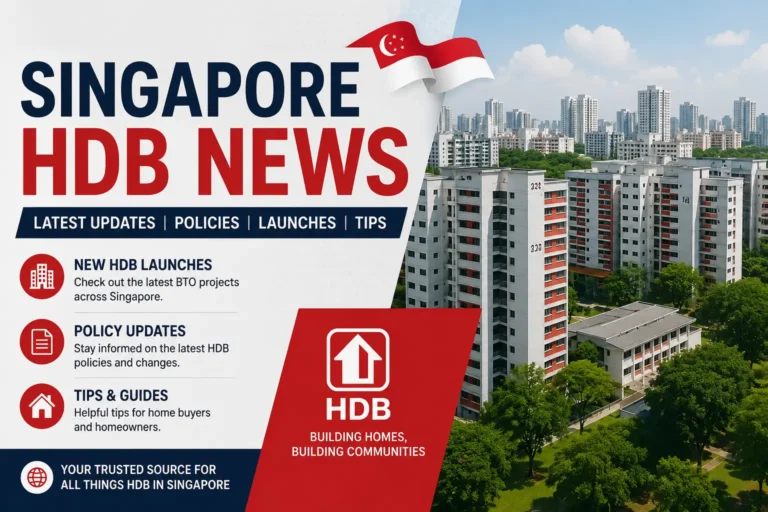
2. Housing Policies Are Becoming More Balanced
Housing has always been a major topic in Singapore.
To improve affordability and maintain market stability, policymakers have introduced adjustments affecting both public and private housing markets.
Key areas include:
- Additional cooling measures
- Revised property taxes
- Support for first-time homebuyers
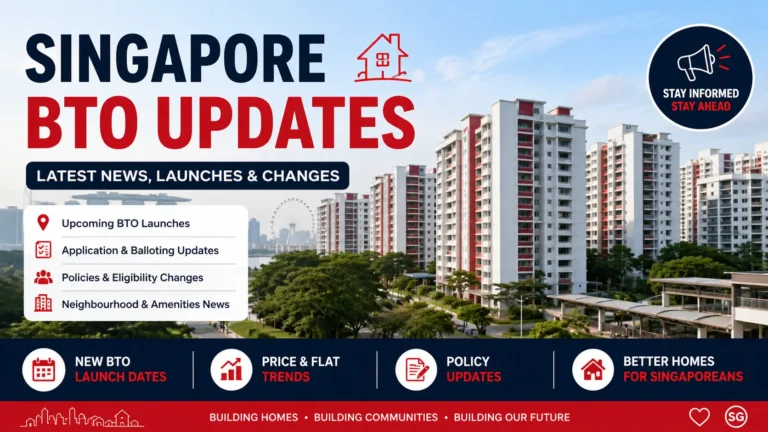
- More Build-To-Order (BTO) launches
- Measures aimed at discouraging speculation
These Singapore policy changes seek to balance home ownership opportunities while preventing excessive price increases.
The long-term objective isn’t simply cheaper homes.
It’s a healthier housing market.
3. Sustainability Policies Are Accelerating
Singapore’s Green Plan has become one of the country’s most ambitious national initiatives.
Recent environmental policy updates include:
- Carbon tax increases
- Green building incentives
- Electric vehicle adoption support
- Expanded charging infrastructure
- Waste reduction programs
Businesses are also expected to improve environmental reporting and sustainability practices.
Climate policies are no longer viewed as future plans.
They’re becoming part of everyday business operations.
4. Employment Rules Continue to Evolve
Singapore’s workforce is changing rapidly.
Flexible work arrangements, digital transformation, and global competition have influenced several employment-related policies.
Important developments include:
- Stronger workplace fairness initiatives
- SkillsFuture expansion
- Better career support for mature workers
- Improved protection for platform workers
- Continued investment in lifelong learning
Employees are increasingly encouraged to upgrade their skills rather than rely solely on traditional qualifications.
That shift… it’s changing career planning across many industries.
5. Keeping Up with Recent Singapore Policy Developments
As Singapore moves forward with its long-term development plans, several policies are being adjusted to improve efficiency, strengthen sustainability efforts, and support businesses and households.
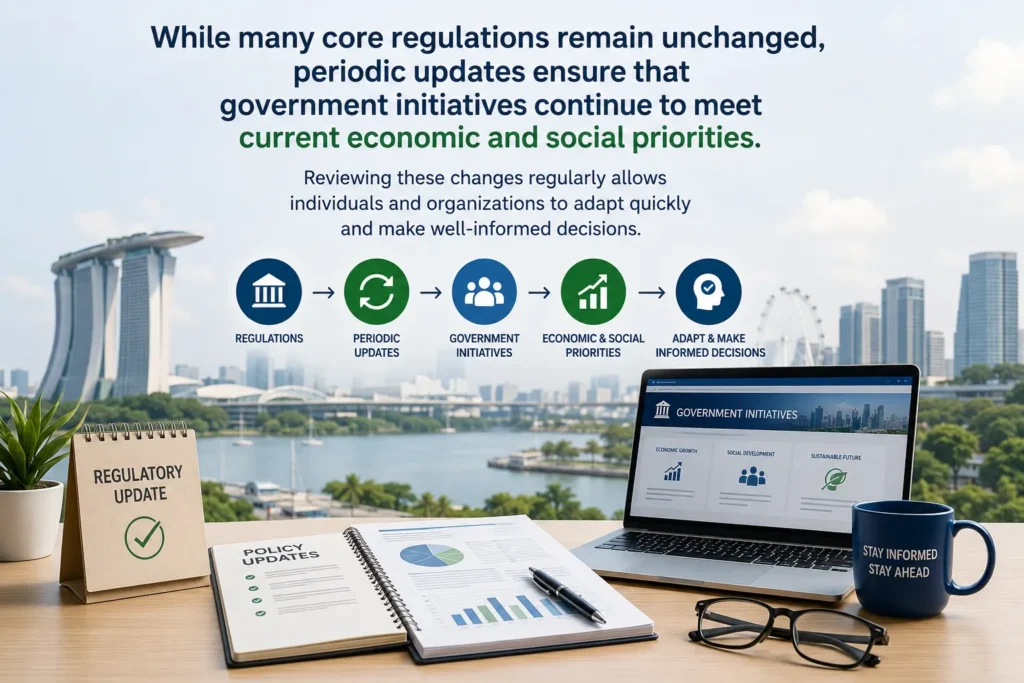
While many core regulations remain unchanged, periodic updates ensure that government initiatives continue to meet current economic and social priorities. Reviewing these changes regularly allows individuals and organizations to adapt quickly and make well-informed decisions.
6. Digital Security and Cyber Protection Are Receiving Greater Attention
As digital services expand, cybersecurity policies have become increasingly important.
Recent Singapore policy changes encourage stronger protection against online threats through:
- Enhanced digital identity systems
- Better data protection standards
- Stronger cybersecurity frameworks
- Improved online fraud prevention
- Increased public awareness campaigns
Businesses are also expected to strengthen cybersecurity practices to protect customer information.
Cybersecurity isn’t just an IT issue anymore.
It’s everyone’s responsibility.
7. Healthcare Policies Focus on Preventive Care
Singapore continues shifting from treatment-based healthcare toward prevention.
Recent healthcare initiatives encourage healthier lifestyles through:
- Expanded health screening
- Vaccination programs
- Preventive medical services
- Better chronic disease management
- Community healthcare support
The national healthcare strategy increasingly emphasizes early intervention rather than waiting until illnesses become serious.
It’s a practical approach—and one many experts believe will improve healthcare sustainability over time.
8. Business Regulations Encourage Innovation
Singapore remains one of the world’s easiest places to start and operate a business.
Recent regulatory improvements focus on:
- Digital business services
- Startup support
- Innovation grants
- AI adoption
- Faster licensing processes
Small businesses and entrepreneurs benefit from simplified procedures while larger companies receive incentives for research and technological development.
Innovation isn’t just encouraged.
It’s becoming part of Singapore’s economic identity.
9. Immigration Policies Aim for Sustainable Growth
Singapore continues balancing economic needs with workforce planning.
Policy adjustments often focus on:
- Foreign workforce requirements
- Employment Pass criteria
- Skills-based hiring
- Local workforce development
- Talent attraction
These updates aim to ensure businesses have access to global expertise while strengthening opportunities for local workers.
It’s a careful balancing act.
And policymakers regularly fine-tune these rules as economic conditions evolve.
10. Education Policies Continue Preparing Students for the Future
Singapore’s education system constantly adapts to changing workforce demands.
Recent policy changes include:
- Greater emphasis on applied learning
- Expanded digital education
- Skills-focused curriculum updates
- Mental well-being initiatives
- More flexible learning pathways
Students are increasingly encouraged to develop creativity, problem-solving abilities, and communication skills alongside academic excellence.
Education is becoming less about memorization…
And more about adaptability.
Why Singapore Policy Changes Matter
Some people assume policy updates only affect businesses or government agencies.
That’s rarely true.
Almost every Singapore policy change eventually influences daily life.
It could affect:
- Household expenses
- Retirement savings
- Property ownership
- Healthcare access
- Job opportunities
- Business costs
- Education choices
Even relatively small regulatory adjustments can have long-term effects across the economy.
That’s why staying informed is valuable—not just for professionals, but for everyone.
How Residents and Businesses Can Stay Prepared
Keeping up with policy changes doesn’t have to be overwhelming.
A few practical habits make a big difference:
- Follow official government announcements.
- Review financial plans annually.
- Stay updated on employment regulations.
- Monitor tax and CPF updates.
- Invest in continuous learning and digital skills.
- Seek professional advice when major policy changes affect your business or investments.
The pace of change isn’t slowing down.
If anything, Singapore’s commitment to future-ready policies means updates will continue across technology, sustainability, healthcare, and the economy.
Final Thoughts
Singapore has built a reputation for forward-thinking governance, and that approach is reflected in the country’s ongoing policy updates. Whether the focus is housing affordability, healthcare improvements, retirement planning, sustainability, digital security, or business innovation, each change serves a broader national vision of long-term resilience and inclusive growth.
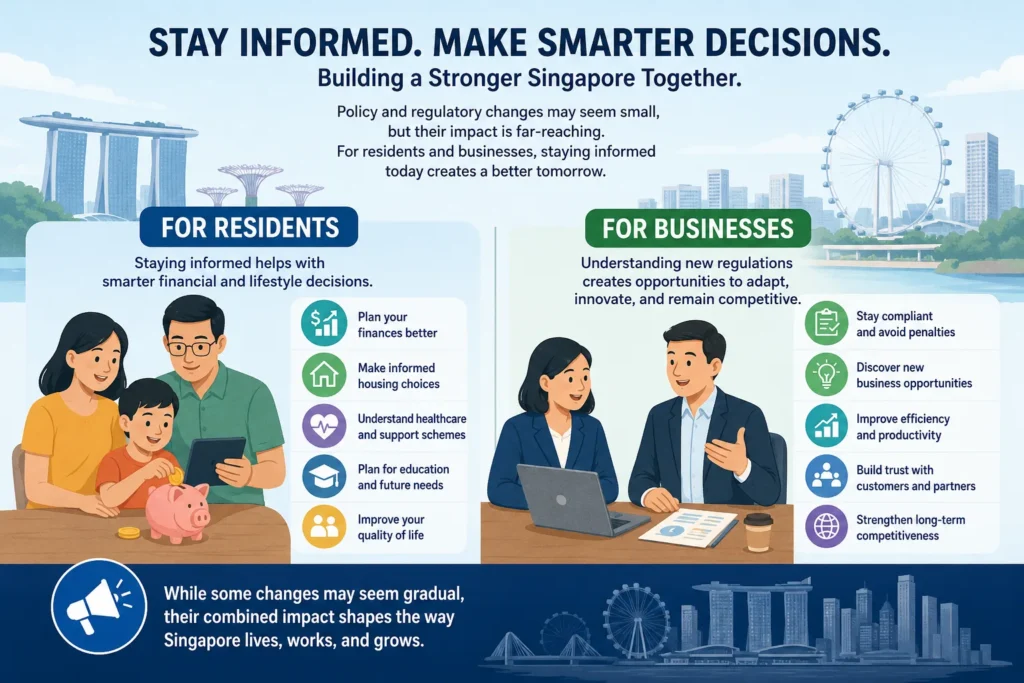
For residents, staying informed helps with smarter financial and lifestyle decisions. For businesses, understanding new regulations creates opportunities to adapt, innovate, and remain competitive. While some changes may seem gradual, their combined impact shapes the way Singapore lives, works, and grows.
Keeping an eye on Singapore policy changes isn’t just about following the news. It’s about understanding the direction the country is heading—and being ready for what’s next.
FAQs
1. What are the latest Singapore policy changes in 2026?
Recent policy updates focus on economic growth, digital services, sustainability, workforce development, and improving public services. The exact changes may vary depending on the sector.
2. How often does the Singapore government update its policies?
Government policies are reviewed throughout the year. Some updates are announced during the national budget, while others are introduced whenever new regulations or initiatives are required.
3. Where can I find official information about Singapore policy changes?
The best source is official government announcements. You can also follow trusted local news websites that regularly publish verified policy updates and explain their impact.
4. Why is it important to stay updated on Singapore policy changes?
Staying informed helps residents and businesses understand new regulations, prepare for upcoming requirements, and take advantage of available opportunities or government Singapore Policy Changes initiatives.
5. Do Singapore policy changes affect foreign workers and businesses?
Yes. Depending on the policy, updates may impact employers, foreign professionals, investors, SMEs, and multinational companies operating in Singapore.