
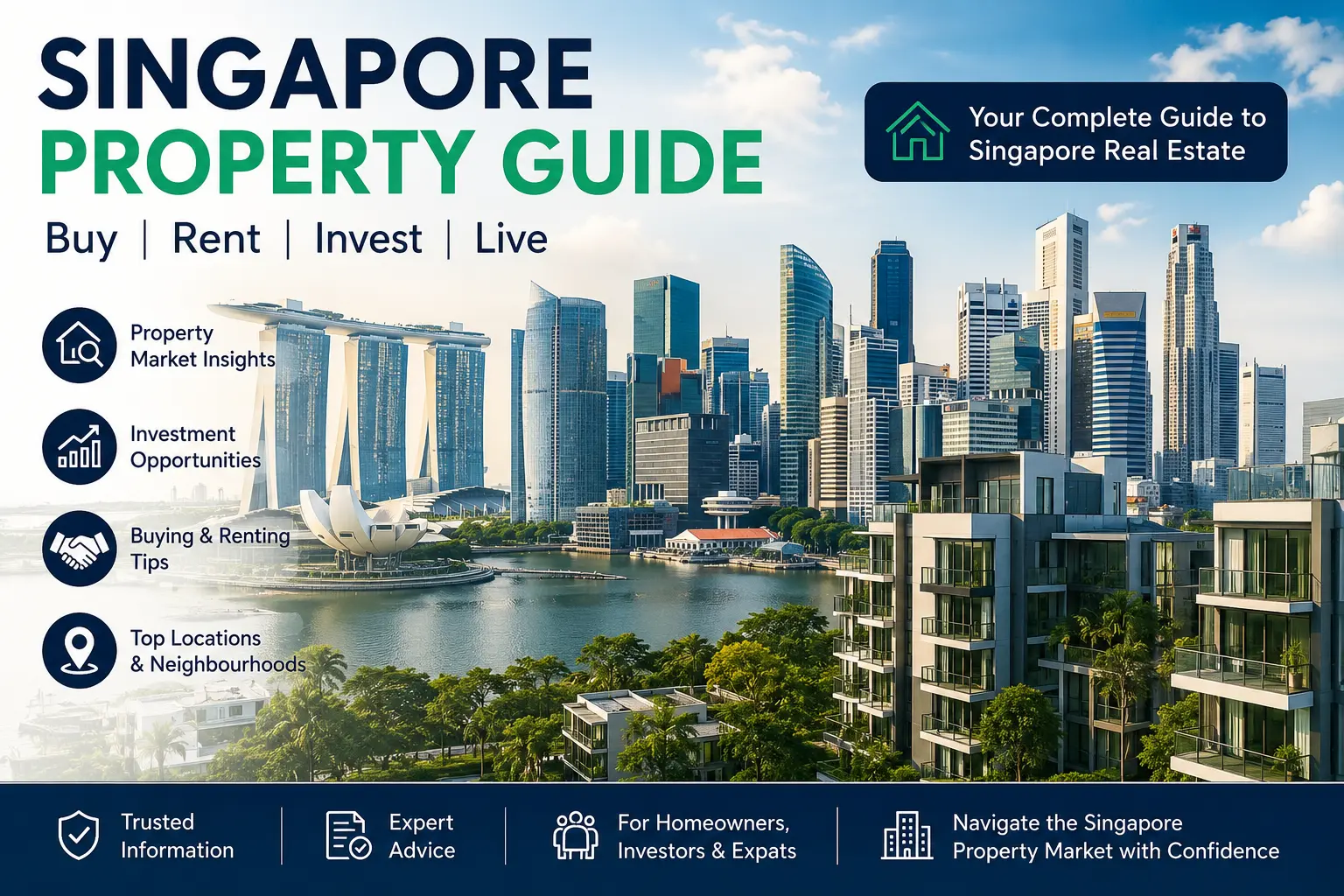
Singapore Property Guide: Everything You Need to Know Before Buying, Selling,
Singapore Property Guide is one of the most searched topics among homebuyers, first-time homeowners, investors, and even expatriates planning a long-term stay. Singapore Property Guidemarket is known for its stability, strong regulations, and high-quality developments, making it one of Asia’s most attractive property destinations.
But buying property here isn’t as simple as choosing a beautiful condo or HDB flat. There are eligibility rules, financing options, taxes, grants, and market trends to understand. Miss one important detail, and it could cost you thousands of dollars.
This guide walks you through everything you should know before making a property decision. Whether you’re purchasing your dream home or expanding your investment portfolio, these practical tips can help you make smarter choices.
1. Understand Singapore’s Property Market
Singapore Property Guide has a unique property market shaped by government policies and limited land supply. Unlike many countries, housing here is carefully regulated to maintain affordability while supporting long-term growth.
You’ll mainly find four property categories:
- HDB Flats
- Executive Condominiums (ECs)
- Private Condominiums
- Landed Properties
Each option comes with different ownership rules, pricing, and financing requirements.
And that’s why understanding the market before searching for homes is so important.
2. Know the Difference Between HDB and Private Property
Many buyers begin by deciding between HDB flats and private properties.
HDB Flats
HDB flats are public housing developed for Singapore Property Guide citizens and eligible permanent residents. They remain the most affordable housing option and offer government grants for qualifying buyers.
Benefits include:
- Lower purchase prices
- CPF usage
- Housing grants
- Strong resale demand
However, buyers must satisfy eligibility conditions, including the Minimum Occupation Period (MOP) before selling.
Private Property
Private properties include condominiums, apartments, and landed homes.
Advantages include:
- Fewer ownership restrictions
- Better facilities
- Greater investment flexibility
- Higher rental potential
The downside?
Higher purchase prices, maintenance fees, and additional taxes for certain buyers.
3. Set a Realistic Budget
Buying property isn’t only about the purchase price.
You’ll also need to consider:
- Down payment
- Legal fees
- Stamp duties
- Valuation fees
- Renovation costs
- Home insurance
- Monthly maintenance fees
- Moving expenses
Many first-time buyers underestimate these additional costs…and end up stretching their finances.
A comfortable budget gives you room to manage unexpected expenses without unnecessary stress.
4. Learn About Home Loans
Most buyers finance their homes through either:
- HDB Loan
- Bank Loan
Each comes with different interest rates, repayment structures, and eligibility criteria.
When comparing loans, don’t focus only on the advertised interest rate.
Instead, evaluate:
- Lock-in period
- Early repayment penalties
- Loan tenure
- Monthly repayment
- Floating vs fixed interest rates
A slightly lower interest rate doesn’t always mean it’s the better loan.
5. Understand CPF Usage
Singapore Property Guide Central Provident Fund (CPF) helps many residents finance their homes.
CPF savings can often be used for:
- Down payment
- Monthly mortgage repayments
- Legal fees (in certain situations)
However, there are withdrawal limits depending on the property type and lease duration.
Understanding CPF rules before purchasing helps prevent unpleasant surprises later.
6. Check Government Grants
First-time buyers may qualify for various housing grants that significantly reduce purchasing costs.
Depending on eligibility, grants may support:
- First-time buyers
- Families
- Singles
- Lower-income households
These grants can save buyers tens of thousands of dollars.
But eligibility changes over time, so always confirm current requirements before applying.
7. Don’t Ignore Property Taxes and Stamp Duties
Property buyers often focus entirely on the purchase price.
But taxes matter too.
Some common costs include:
- Buyer’s Stamp Duty (BSD)
- Additional Buyer’s Stamp Duty (ABSD), where applicable
- Annual Property Tax
These costs vary depending on:
- Property value
- Residency status
- Number of properties owned
Planning ahead makes budgeting much easier.
8. Research the Location Carefully
Even the most beautiful property may become a poor investment if it’s in the wrong location.
Look beyond attractive showrooms.
Instead, consider nearby amenities like:
- MRT stations
- Bus connectivity
- Schools
- Shopping malls
- Healthcare facilities
- Parks
- Future developments
Location influences resale value, rental demand, and everyday convenience.
Sometimes paying slightly more for a better location proves worthwhile over the long term.
9. Study Future Developments
Singapore Property Guide constantly evolves.
New MRT lines, commercial districts, business hubs, and town redevelopment projects often increase surrounding property values.
Before buying, research upcoming developments near your preferred area.
Future infrastructure can improve:
- Accessibility
- Rental demand
- Capital appreciation
- Lifestyle convenience
It’s always nice when your neighbourhood becomes even better after you’ve moved in.
10. Think Long-Term Before Buying
Ask yourself a few honest questions.
Will this property still suit your family in five or ten years?
Could your work location change?
Do you plan to have children?
Would elderly parents eventually move in?
Buying property involves significant commitment.
Thinking beyond today’s needs often leads to better long-term decisions.
11. Evaluate Investment Potential
For investors, purchasing property isn’t just about finding an attractive unit.
Important considerations include:
- Historical price growth
- Rental yield
- Vacancy rates
- Future infrastructure
- Supply of nearby developments
- Demand from tenants
A property with steady rental demand may outperform one with luxury facilities but weaker market demand.
Numbers matter.
But so does understanding neighbourhood trends.
12. Work with a Trusted Property Agent
A knowledgeable property agent can simplify the buying process.
They often help with:
- Property search
- Price negotiations
- Documentation
- Market analysis
- Viewing arrangements
- Transaction guidance
Choose someone experienced, transparent, and familiar with your preferred location.
A reliable agent saves both time and money.
13. Inspect the Property Carefully
Never rush through a viewing.
Take your time checking:
- Wall condition
- Ceiling leaks
- Flooring
- Windows
- Plumbing
- Electrical systems
- Air-conditioning
- Natural lighting
- Ventilation
Even newer homes deserve careful inspection.
Small defects today can become expensive repairs tomorrow.
14. Understand the Buying Process
Purchasing property in Singapore Property Guide generally follows several key stages.
These include:
- Determine your budget.
- Secure loan approval.
- Search for suitable properties.
- Arrange viewings.
- Make an offer.
- Exercise the Option to Purchase.
- Complete legal documentation.
- Final payment.
- Collect your keys.
Knowing the process reduces unnecessary stress and delays.
15. Stay Updated with Market Trends
Singapore’s property market changes due to:
- Interest rates
- Government cooling measures
- Economic conditions
- Population growth
- Construction supply
And while nobody can predict the future perfectly, staying informed helps buyers make confident decisions.
Following market updates before making a purchase is always a smart habit.
Common Mistakes Buyers Should Avoid
Many buyers make avoidable mistakes, including:
- Buying beyond their budget
- Ignoring hidden costs
- Choosing location over practicality
- Skipping property inspections
- Not comparing loan packages
- Failing to research market conditions
- Making emotional decisions
Buying property should balance emotion with financial planning.
After all, it may be one of the biggest purchases you’ll ever make.
Final Thoughts
A well-informed buyer almost always makes a better investment. This Singapore Property Guide highlights the key areas every buyer should understand—from choosing the right property type and securing financing to evaluating locations, taxes, grants, and long-term value.
Take your time. Compare your options. Ask questions. And don’t feel pressured to rush into a purchase simply because the market seems active.
Singapore continues to offer one of the world’s strongest and most stable real estate markets. With careful planning, realistic budgeting, and thorough research, you’ll be in a much better position to find a property that suits both your lifestyle and financial goals.
Whether you’re buying your very first HDB flat, upgrading to a condominium, or expanding your investment portfolio, this Singapore Property Guide provides the foundation you need to make confident, informed decisions.